Let’s be honest—when you first load into Cheating During Testing on Roblox, it looks simple enough. Sit in a classroom, answer some multiple-choice questions, avoid the teacher, and don’t get caught. Simple, right?
Wrong.
Within your first few attempts, you’ll quickly realize that this game is far more complex than it appears.
In this guide, I’ll walk you through everything you need to know—from seating positions and teacher detection to anxiety management, phone upgrades, and the social minefield of snitches. Whether you’re a first-time cheater or a seasoned classroom veteran, these strategies will help you consistently hit those 100% scores.
Your Seating Position: The Foundation of Every Successful Run
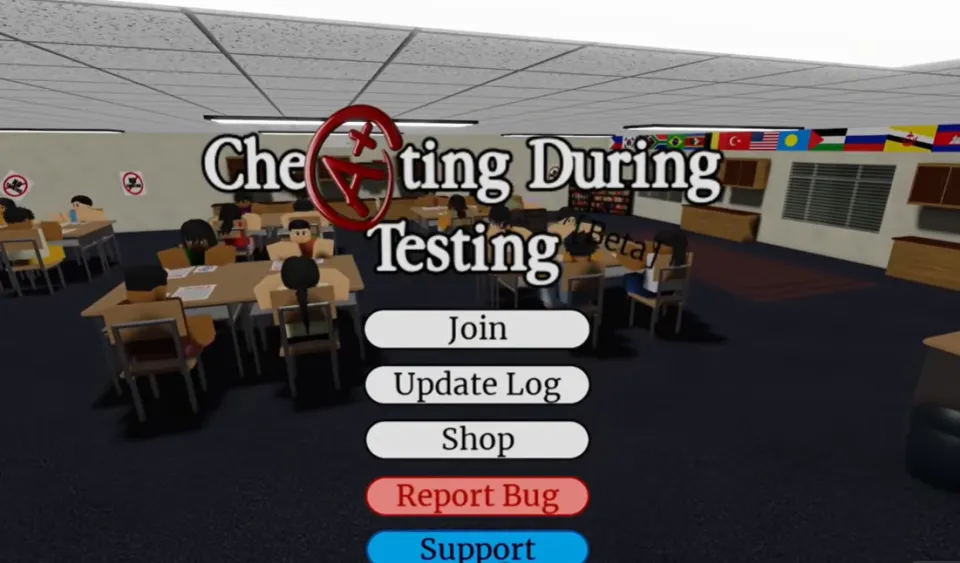
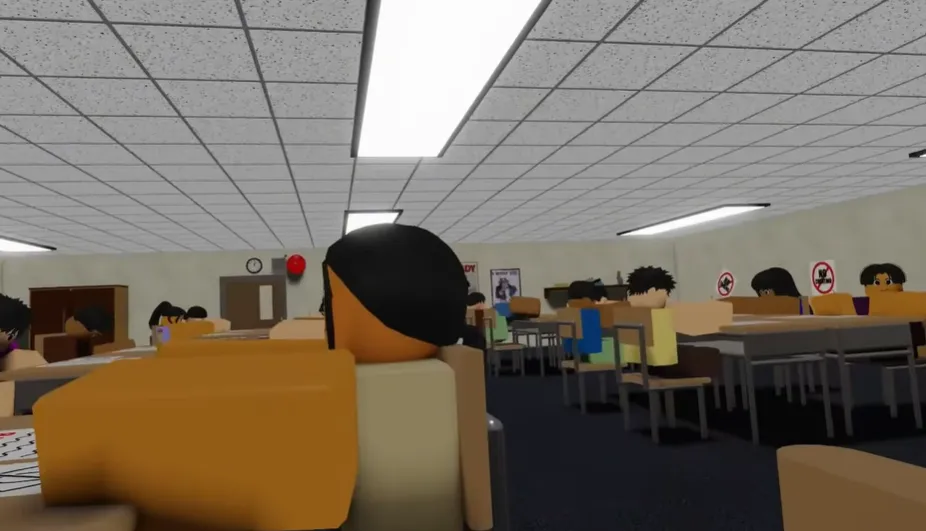
One of the first things you should pay attention to when joining a server is where your character is sitting. Your seat determines how easily you can see the teacher—and that single factor can make or break your entire exam.
If you’re sitting somewhere with a clear view of the teacher, you can quickly check whether they’re watching you before taking a picture or entering answers. That’s obviously much safer than sitting somewhere where you have to constantly turn your camera around. A bad seat forces you to spend more time checking the teacher and makes everything more difficult.


How to Get a Better Seat
If your starting position is terrible, one thing you can try is joining another server—you may get a much better position in the next classroom. Another useful trick: pay attention to where players are caught. If someone gets caught and their position becomes available, you can potentially reset and try to get into a more useful seat.
The ideal seating position gives you a clear sightline to the teacher without requiring excessive camera movement. Corners and edges of the classroom tend to be more forgiving—you can see the teacher’s movements with just a quick glance rather than a full 180-degree turn.
Understanding Teacher Detection
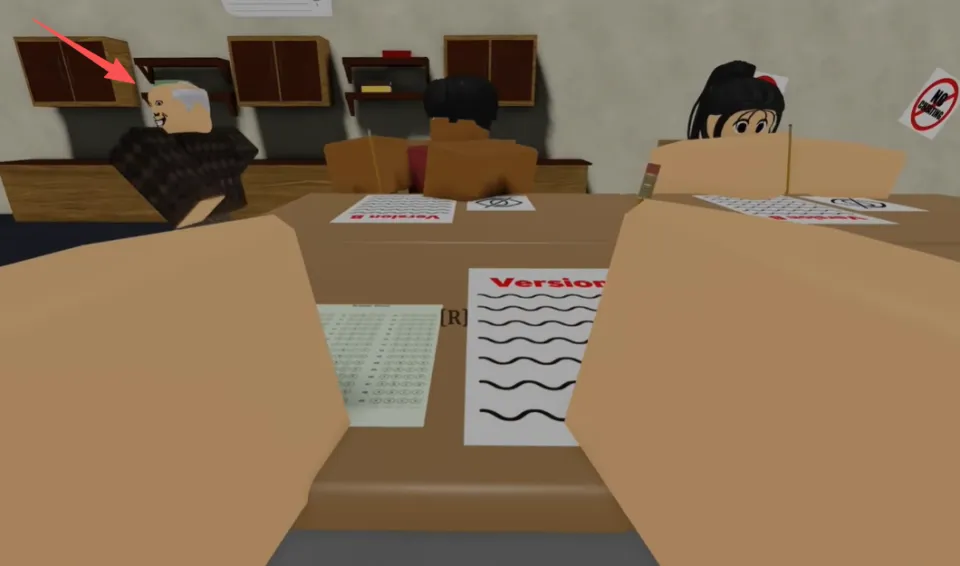
This is probably the most important mechanic to understand. You can get caught when the teacher is looking directly at you. That means you shouldn’t assume the classroom is dangerous all the time.
Instead, keep checking the teacher’s position. If the teacher isn’t looking toward you, that’s your opportunity to act. If they’re facing you, don’t get greedy—wait for them to look somewhere else. The whole game becomes much easier once you stop treating every second as equally dangerous.
Safe vs. Dangerous States
Based on observed gameplay mechanics, here’s a quick reference:
|
Situation |
Safe? |
|---|---|
|
Teacher is bending someone over (catching them) |
✅ Safe to take a picture |
|
Teacher is two tables away |
✅ Safe |
|
Teacher is adjacent to your table, facing away |
✅ Safe |
|
Teacher is adjacent to your table, facing you |
❌ Not safe |
|
Teacher is staring directly at you |
❌ Not safe—hold pencil and stare at paper |
|
Teacher is walking, head not facing you |
✅ Safe |
|
Teacher is walking, head facing you |
❌ Not safe |
|
You’re just holding the phone (not taking pictures) |
✅ Safe |
|
Taking pictures or viewing answers |
⚠️ Risk depends on teacher position |
The “Adjacent” Rule:
If the teacher is adjacent to your table—meaning they’re near your table, whether it’s your table or someone else’s nearby—you need to be extra cautious. If they’re adjacent and facing you, you are not safe. If they’re adjacent but not facing you, you are safe.
Managing Your Anxiousness: The Hidden Meter
Anxiety is one of the game’s core survival mechanics, and ignoring it will get you caught. When you look around too much or use gadgets repeatedly without giving yourself time to recover, your Anxiousness meter climbs. If it gets too high, the teacher essentially “senses” your anxiety and locks onto you—making it nearly impossible to cheat without getting caught.
How to Reduce Anxiety
The most reliable way to lower your Anxiousness is simple: hold the pencil while answering. Even if you’re looking at the answer sheet, as long as you’re equipping the pencil, your anxiety will decrease when you return to the test.
You should also face forward between checks. Looking around constantly will spike your anxiety, so use quick glances rather than prolonged stares. Think of it as checking your surroundings rather than continuously watching the teacher—you want enough information to know whether you’re safe without draining your entire energy bar.
Pro tip: Keep your Anxiousness below 50 at all times. Once it creeps higher, the teacher becomes more alert to your presence.
The Phone: Your Primary Cheating Tool
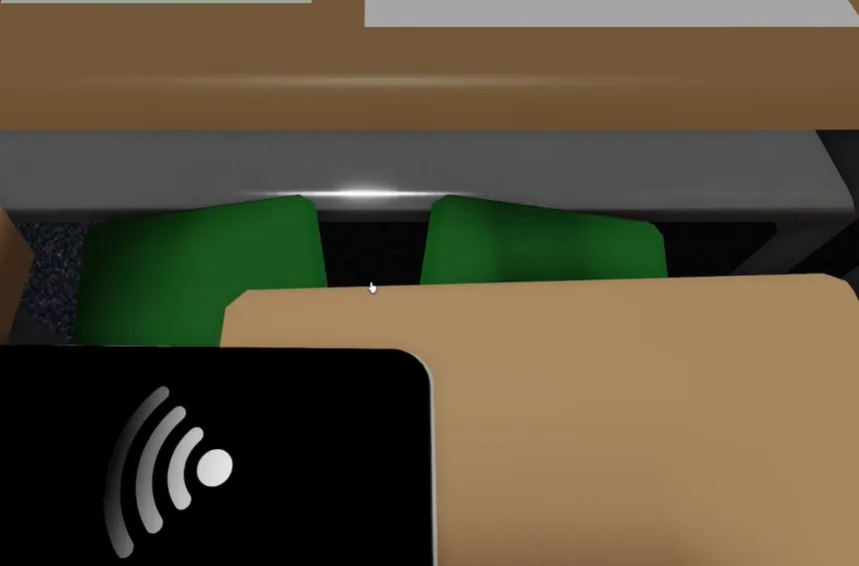
Your phone is your most important piece of equipment. When you use it to take a picture of the exam paper, you can then view the answers. But here’s where timing becomes critical.
When to Use Your Phone
You can safely take a picture if:
- The teacher is far away (two or more tables)
- The teacher is busy catching another student
- The teacher is facing away from you
You should never use your phone if:
- The teacher is staring directly at you
- The teacher is adjacent to your table and facing you
- The teacher is walking toward you with their head facing your direction
The Two-Picture Rule
Once the teacher is standing in a stationary position, you typically have enough time totake two pictures and view the answers two times. However, this window shrinks if the teacher is near you, so always prioritize safety over speed.
The Opening Window
At the start of each test, the teacher doesn’t immediately walk into position. There’s roughly a five-second window before the teacher enters the classroom. That’s free time—use it. As soon as the test begins, quickly take your picture and get your first answers out of the way before the teacher has a chance to start watching.
The “Mark Everything as A” Strategy
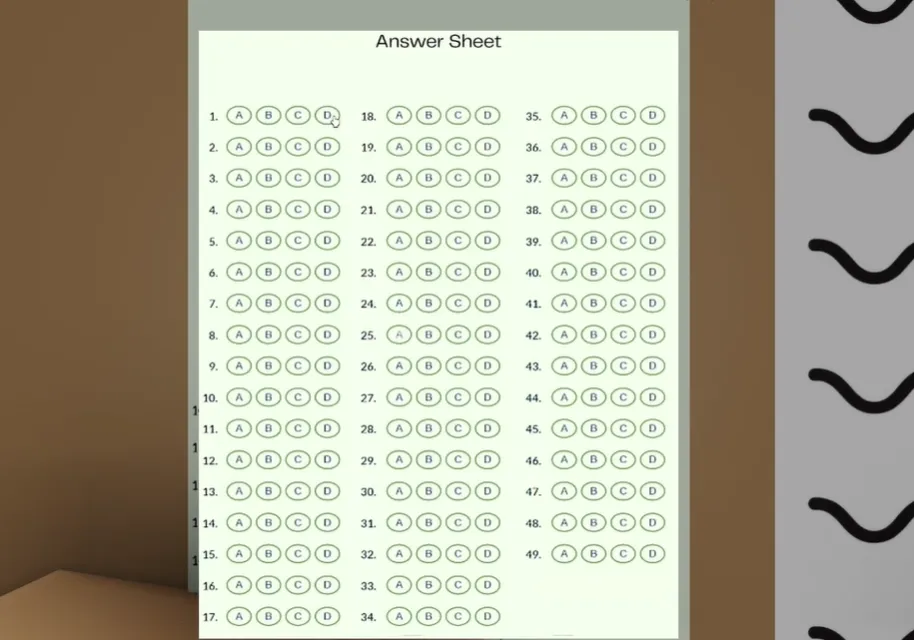
Here’s a clever trick that can save you massive amounts of time:when you first get your exam paper, mark every answer as “A.”
Why? Because when you take a picture with your phone, the phone will automatically skip answers that you’ve already gotten right. So if you mark everything as “A” and the correct answer for a question actually is “A,” the phone will skip that question when you scan—meaning you don’t waste time re-entering answers you already have correct.
This technique allows you to focus your cheating efforts only on the questions you actually got wrong, dramatically speeding up the process.
Using Other Players to Your Advantage
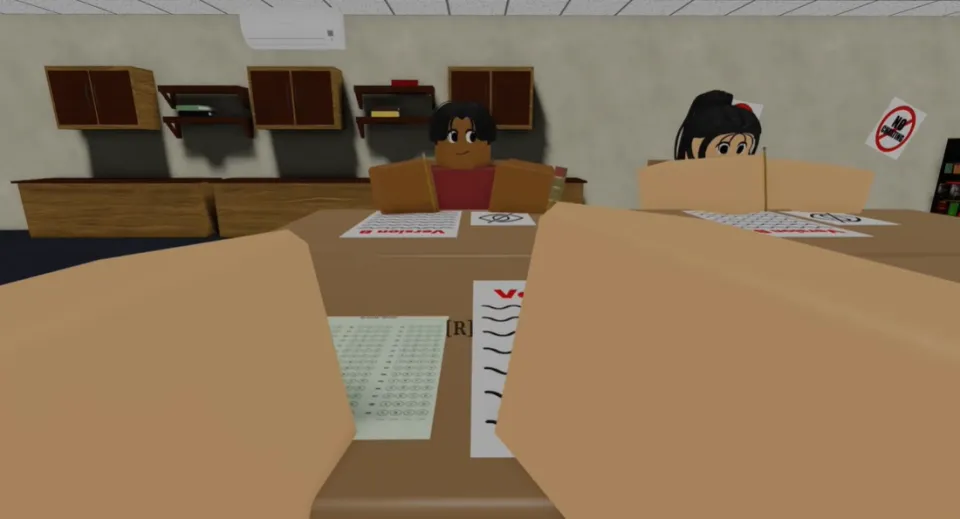
Other players in the classroom aren’t just competition—they’re also resources.
Seatmates as Cover
If another player is between you and the teacher, their character can block your view. Instead of blindly taking a chance, you can use this situation to your advantage by taking a quick picture while you’re able to see the test. If your seatmate is doing something and hasn’t been caught, you might as well do it for a bit too.
But don’t rely too much on your seatmate’s actions—they might cause your demise as well.
Distractions from Caught Players
When another student gets caught, the teacher’s attention is focused elsewhere. That’s your window—usually 3–4 seconds—to quickly take your picture, check your answers, or make progress on the test. React quickly; by the time you’ve waited ten seconds, the teacher may already be looking back at you.
Pay attention to where the teacher moves after catching someone. Depending on their new position and where you’re sitting, you may have an opportunity to make two quick cheating actions before you need to worry about them again.
Snitches: The Social Danger
One of the most unique mechanics in Cheating During Testing is thesnitch system. Other players can report you for cheating to earn Credits for themselves. This turns every classroom into a social game of trust and suspicion.
How Snitching Works
- Players can report cheaters for Credits
- Players can also report teachers for Credits
- Snitches will sell you out for Credits if given the opportunity
How to Avoid Snitches
- Don’t be obvious.If you’re blatantly cheating, someone will notice and report you.
- Team up only with people you trust—and even then, be cautious.
- Watch your surroundings.If another player is watching you instead of their own paper, they might be looking for a snitch opportunity.
Hunger Management: Don’t Let Your Meter Run Out
Hunger is another survival mechanic you need to manage during exams. If your Hunger meter empties completely, your run ends.
How to Manage Hunger
- Use snacks before your Hunger meter gets too low
- Plan ahead—if you know you’re going into a long exam, make sure you have snacks ready
- Hunger is a gradual drain, so you don’t need to panic about it constantly—but don’t ignore it either
Phone Upgrades: The Progression Loop
Once you’ve earned enough Credits,phone upgrades should be your top priority. This is one of the easiest ways to improve your performance over time.
What Upgrades Do
Upgrading your phone improves:
- How many answers you can get at once
- How quickly the phone works
- How efficiently you can earn more Credits
The Progression Loop
This creates a powerful cycle: Use your current phone to earn Credits → spend those Credits on a better phone → the better phone helps you earn Credits faster → then you can afford additional upgrades.
The phone can be upgraded to max once you reach Level 6 and can be purchased for 550 Credits. Higher-tier phones allow you to get five answers at a time and process them faster, making future tests significantly easier.
Don’t spend everything on random items and then wonder why you’re struggling to progress. Phone upgrades give you a permanent advantage and make future runs much easier.
The Perfect Test: A Step-by-Step Strategy
Here’s how a successful test should look when you combine all these mechanics:
Before the test:
- Get yourself into a good seating position
- Make sure your camera controls feel comfortable
- Have your phone ready
When the test starts:
- Use the few seconds before the teacher arrives to get your first answers
- Mark everything as “A” to save time later
During the test:
- Keep checking the teacher’s location without constantly staring at them
- When the teacher looks away, quickly take your picture and work through the answers
- When another player gets caught, use the distraction to make progress
- When the teacher looks toward you, stop and wait for another opportunity
After the test:
- As you earn Credits, invest in your phone so future tests become easier and faster
Conclusion
Getting 100% in Cheating During Testing isn’t really about having insane reactions or lightning-fast reflexes. It’s mostly about understanding the game’s timing.
Your seat, the teacher’s direction, your Anxiousness, the opening seconds of the test, and the distractions caused by other players—they all make a difference. Once you get used to quickly checking the teacher, waiting for the right moment, and using those short windows efficiently, you’ll notice your scores improving pretty quickly.
Good luck out there, cheaters. And remember: the teacher is always watching.