CookieRun began in 2009 as a deceptively simple side-scrolling runner about cookies escaping a witch’s oven. Nearly two decades later, “CookieRun” no longer describes a single genre. It is a franchise that has quietly expanded into RPGs, puzzles, cooperative action, real-time PvP, and even a physical trading card game—all sharing the same sugar-dusted cast but asking players to do fundamentally different things. That breadth is a strength, but it also makes “Which CookieRun should I play first?” a genuinely difficult question. This comparison breaks the series down by what each game actually demands from you, rather than by release date or popularity.
The Two Runners: OvenBreak and Classic
If you want to understand CookieRun’s core identity, start with the runners.
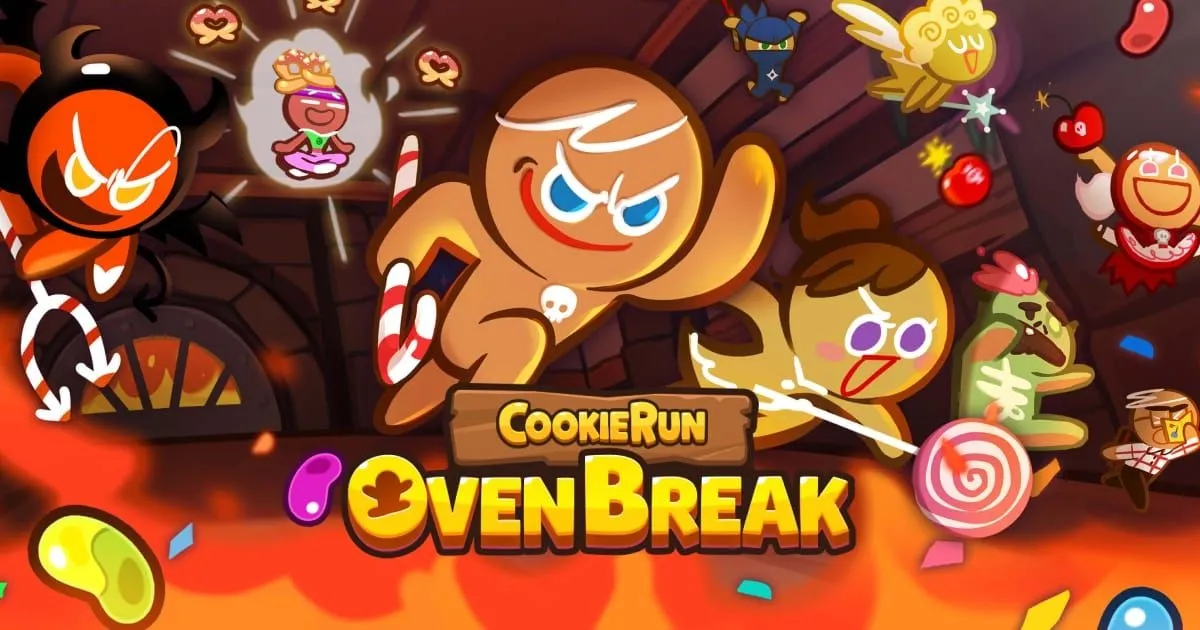
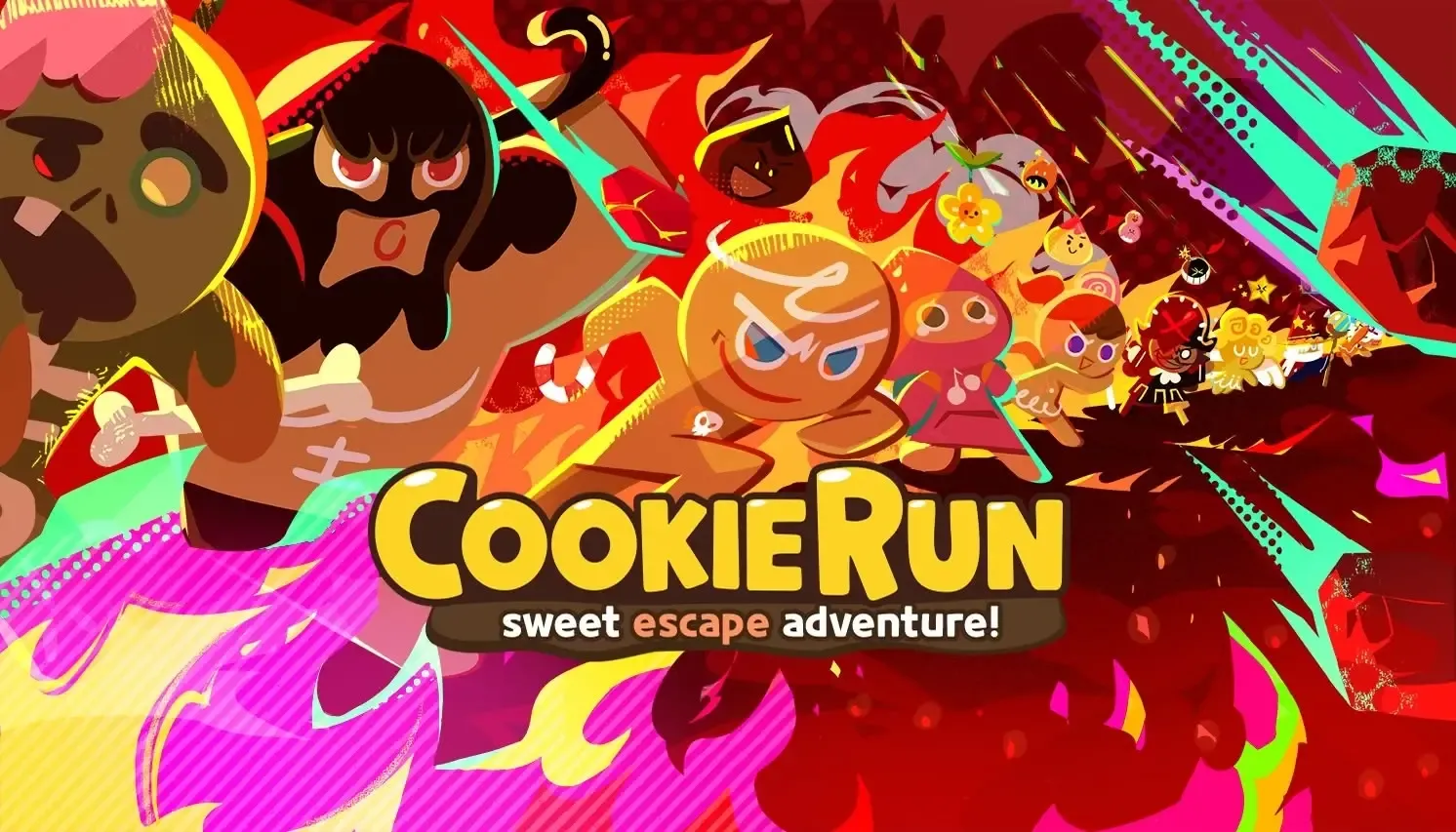
CookieRun: OvenBreak (launched in 2016) remains the franchise’s most direct expression of skill-based play. You control a Cookie with two inputs—jump and slide—through side-scrolling stages, collecting Jellies, dodging hazards, and optimizing routes for higher scores.
What separates OvenBreak from a casual mobile runner is the depth underneath that simplicity: over 200 Cookies and Pets to collect, RPG-style upgrade systems, and competitive modes like Trophy Race, Cookie Trials, and Breakout that reward route knowledge and timing rather than raw spending. Its balance philosophy is notably generous by franchise standards. Older Cookies are periodically pulled back into relevance—Tiramisu saw renewed use when Lollipop arrived, and Mala returned during the Dragon story arc—so the roster does not become a graveyard of obsolete pulls.
CookieRun Classic, relaunched globally in June 2026, occupies a stranger space. It is best understood as a modernized restoration of the pre-OvenBreak runner lineage, preserving the original escape-the-oven loop with an English-only interface and new Korean-culture-themed Cookies.
Classic is not a replacement for OvenBreak. Its progression leans harder on grinding coins, and its feature set is leaner than OvenBreak’s layered modes and upgrade trees.
Choose Classic if you want the historical CookieRun texture with a fresh coat of paint; choose OvenBreak if you want the runner formula at its most complete.
Download LDPLAYER, play CookieRun: Kingdom on PC, enhance your gaming experience!


The RPG Pole: Kingdom and Crumble
CookieRun: Kingdom is the franchise’s narrative and commercial center of gravity, and it is almost diametrically opposed to OvenBreak in pacing and psychology.
Kingdom is a social RPG built around team composition, story stages, kingdom management, and long-term account development. Combat is largely automated once a battle begins; the real strategy happens before the fight, in choosing Cookies with compatible roles, arranging formations, and preparing builds for specific enemies or modes. Outside battle, you construct and decorate a kingdom, operate production buildings, join guild activities, and navigate a dense web of currencies, timers, and upgrade paths.
Kingdom’s story is its strongest differentiator. Its narrative arcs—particularly the mermaid-focused “A Mermaid’s Tale” and the broader Ancient Cookie saga—give the cast room to speak, develop relationships, and carry emotional weight that the runner games can only gesture at through brief in-run dialogue.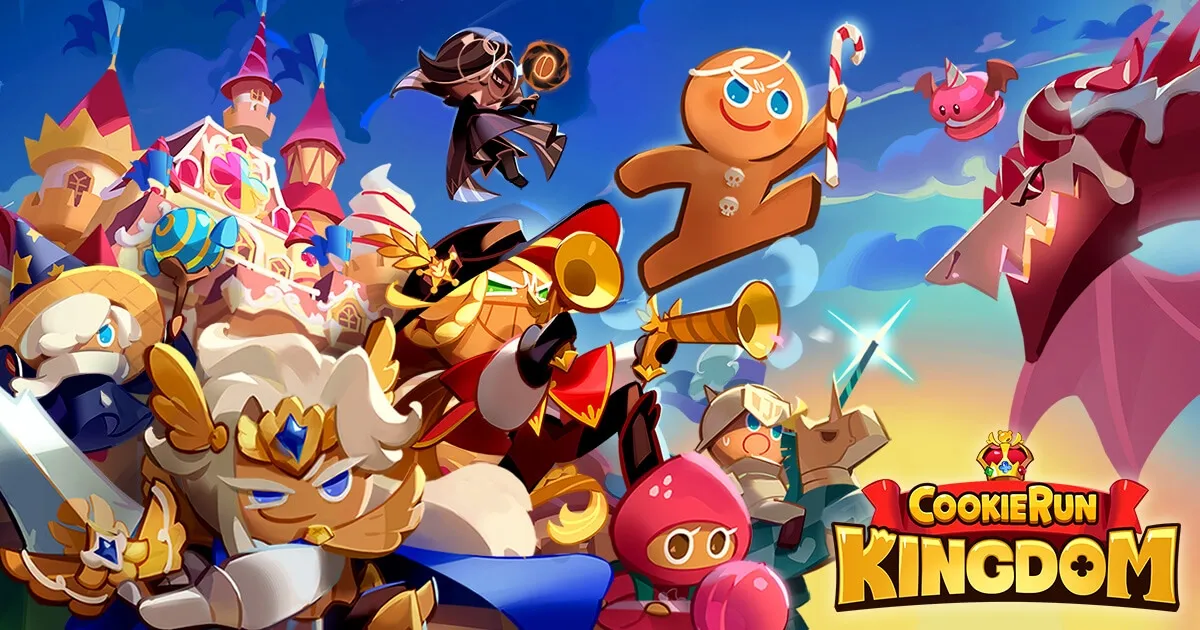
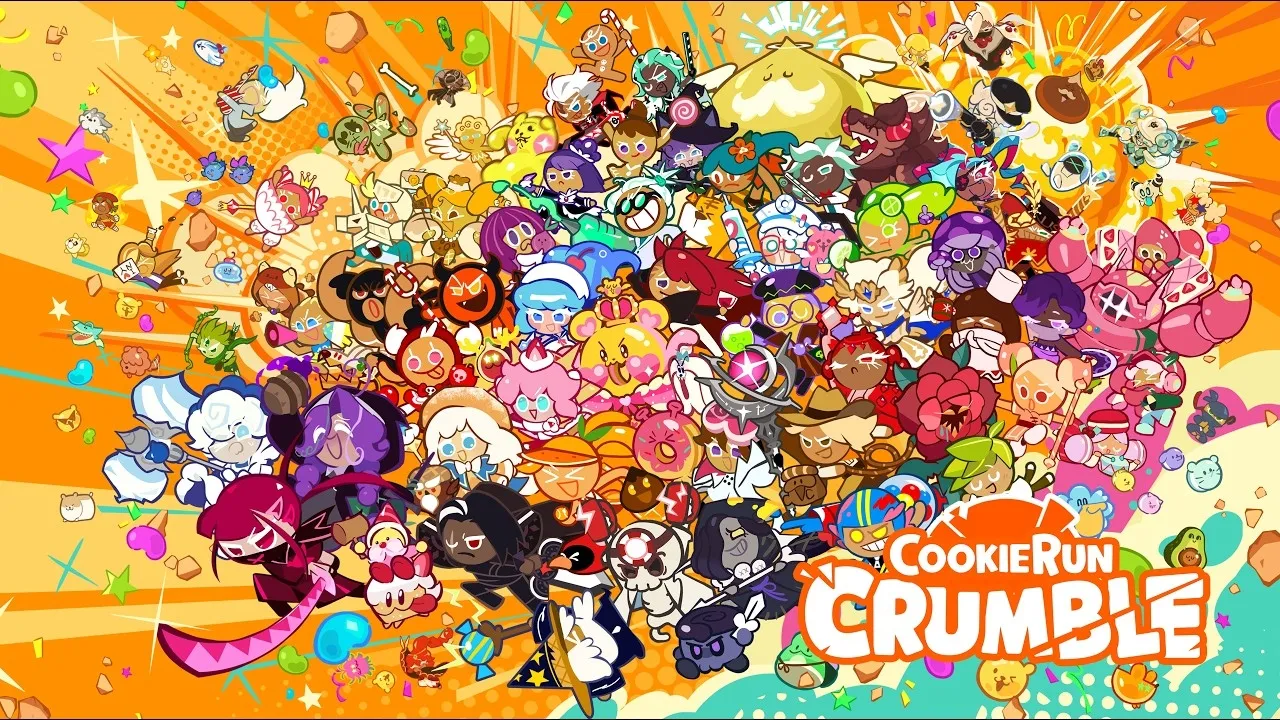
CookieRun: Crumble (launched July 2026) is Kingdom’s relaxed cousin. It is a deck-building auto-battler RPG with a squad of up to twelve Cookies, over seventy heroes and pets, and offline auto-battle progression.
Crumble does not try to deliver Kingdom’s cinematic story or its layered kingdom simulation. It is explicitly a hands-off, collection-driven experience—closer to an idle game with CookieRun flavor than to a narrative RPG. If Kingdom’s story excites you but its management systems exhaust you, Crumble is the lower-friction alternative.
The Puzzle Wing: Puzzle World and Witch’s Castle
CookieRun: Puzzle World is the franchise’s most conventionally casual entry: a match-3 game in the Candy Crush mold, elevated by Cookie abilities and Pets that alter how boards play. It is widely described as the series’ most “chill” experience, with smooth animations and a familiar yet novel puzzle loop.
Its weaknesses are equally conventional: coin rewards per level are low relative to the cost of new Cookies, progression can feel slow without spending, and some players find the difficulty curve uneven. Puzzle World is best treated as a companion game—something to play in short bursts rather than a primary obsession.

CookieRun: Witch’s Castle replaces match-3 swapping with tap-to-blast puzzle mechanics. You tap and blast colorful blocks, use boosters and Cookie skills to clear obstacles, and gradually unlock and decorate rooms within the Witch’s Castle. It is a prequel of sorts, leaning into mystery and atmosphere rather than Puzzle World’s bright, breezy tone.
The Action and Multiplayer Experiments: Tower of Adventures, OvenSmash, and The Darkest Night
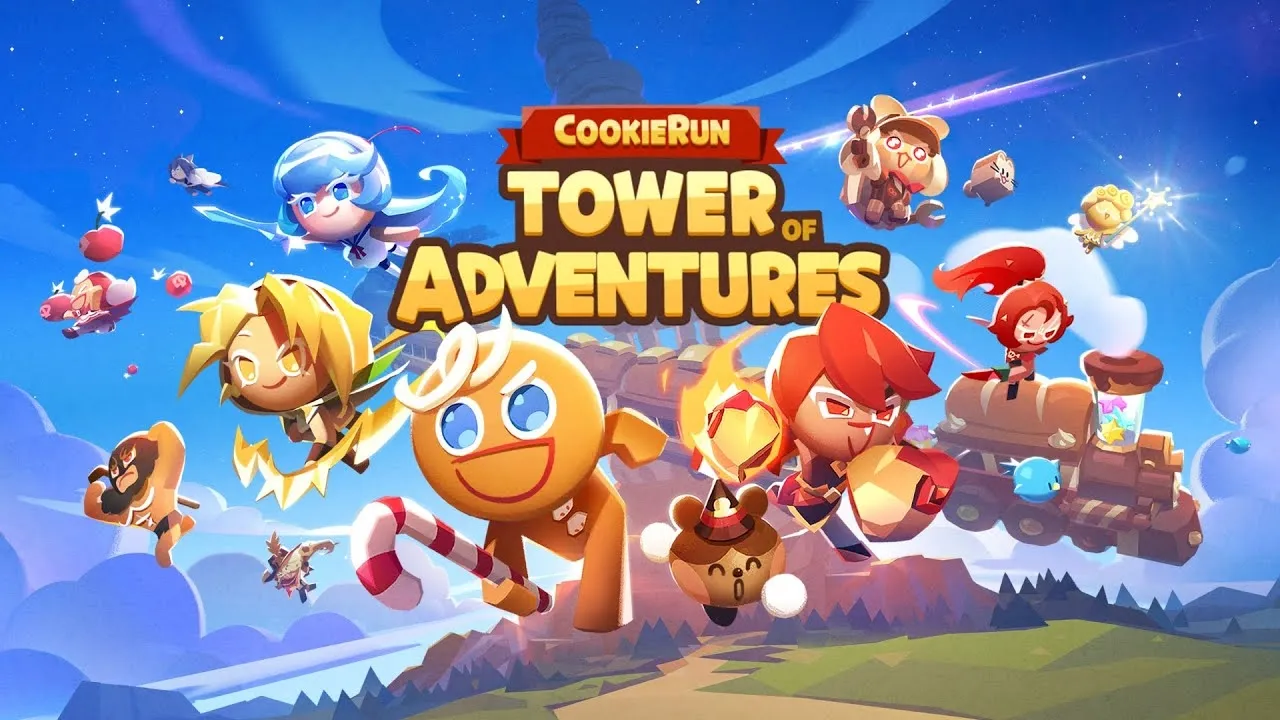
CookieRun: Tower of Adventures is the franchise’s most successful genre departure. It is a 3D co-op action-RPG set in the Pancake Tower, with real-time combat, character switching, boss raids, and a roguelike-inspired floor-climbing campaign.
Unlike Kingdom, where battles largely play out automatically, Tower of Adventures demands active movement, dodging, and timing. Characters like Ninja Cookie and Rockstar Cookie bring distinct combat identities—shuriken volleys, guitar-riff area attacks—and the co-op focus makes it the most socially playful CookieRun game.
For players who find the runners too solitary and Kingdom too passive, Tower of Adventures is the clear answer.
CookieRun: OvenSmash (launched March 2026) pushes further into competitive territory as the franchise’s first real-time PvP action game. Matches last around three minutes and emphasize quick decisions, with Cookies divided into seven combat roles—Assault, Assassin, Support, Controller, Bomber, Sniper, and Tank—and Spell Cards that can flip the momentum of a fight. It is set in the urban-fantasy Platter City and includes both team modes like Castle Crasher and solo playlists. OvenSmash is not a beginner-friendly entry point; its value depends on whether you enjoy short, repeatable PvP sessions and role-based team coordination.

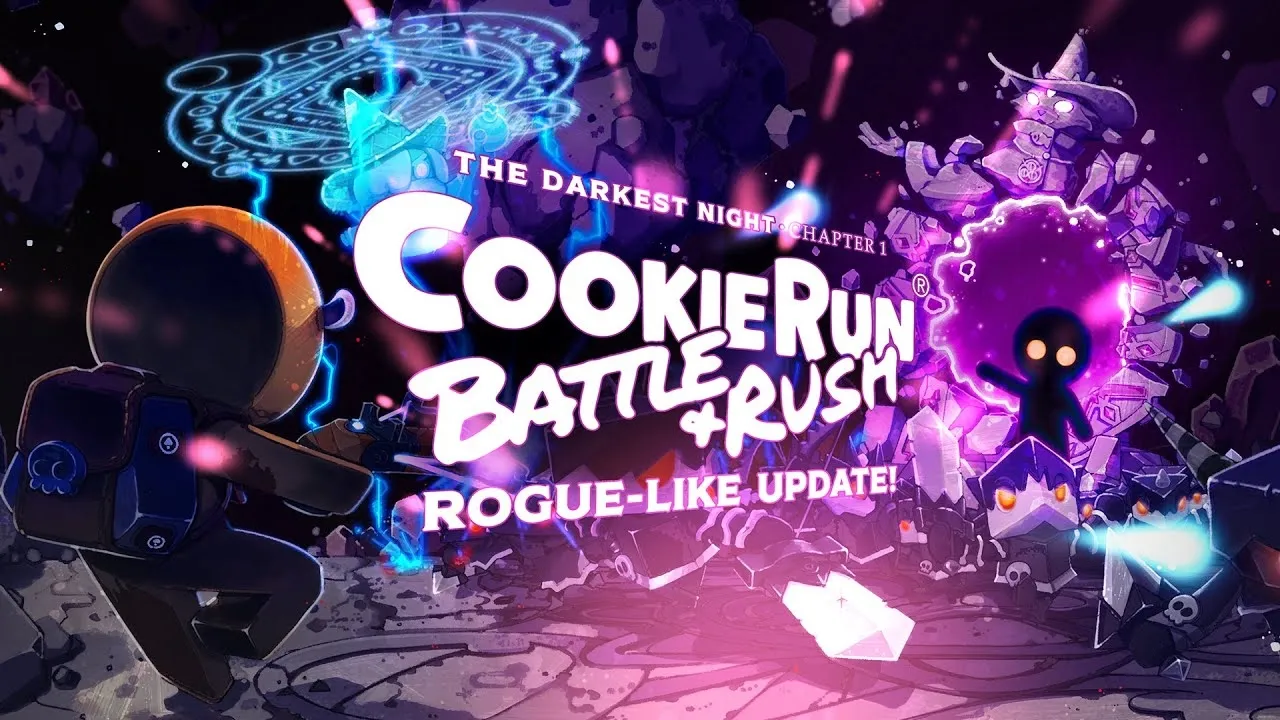
CookieRun: The Darkest Night sits apart as a VR action-adventure for Meta Quest. Reviews describe it as a charming, visually striking experience with novel immersive mechanics, though it is short and leans on unskippable dialogue that divides players. It is a curiosity rather than a franchise pillar—worth exploring if you already own a headset and want to see CookieRun’s world from the inside.
Which Should You Play First?
The right entry point depends less on which game is “best” and more on what kind of friction you are willing to tolerate.
- Start with OvenBreak if you want the purest CookieRun experience: direct control, short sessions, mechanical mastery, and a competitive score chase that respects player skill. It is the series’ most balanced game and its cleanest introduction to the core fantasy.
- Start with Kingdom if you come to games for story, character attachment, and long-term team-building. Accept that the opening hours introduce many menus, currencies, and timers; the narrative payoff is real, but it is earned through patience with the surrounding systems.
- Start with Tower of Adventures if you want active, cooperative action and already know you bounce off passive RPG combat and solo score-chasing. It is the franchise’s most immediately fun game for players who like to *do* things in real time.
- Start with Puzzle World or Witch’s Castle if you want a low-pressure, cozy companion game. Puzzle World is the more familiar match-3 comfort; Witch’s Castle is the more tactile, atmospheric blast-puzzle alternative.
- Start with Crumble if you like collection and idle progression but find Kingdom’s story and management too demanding. It is CookieRun at its most hands-off.
- Start with Classic if you have a historical curiosity about the runner lineage and want a leaner, more grind-oriented version of the OvenBreak formula.
What unites these games is not a shared control scheme or a single progression system—it is a tonal and visual language: bright colors, absurdly cute Cookies, and a persistent undercurrent of dark fairy-tale melancholy. The franchise can afford to sprawl across genres precisely because that identity travels well. The smartest way to enter CookieRun is not to ask which game is the “main” one, but to pick the genre you already love and let the Cookies meet you there.